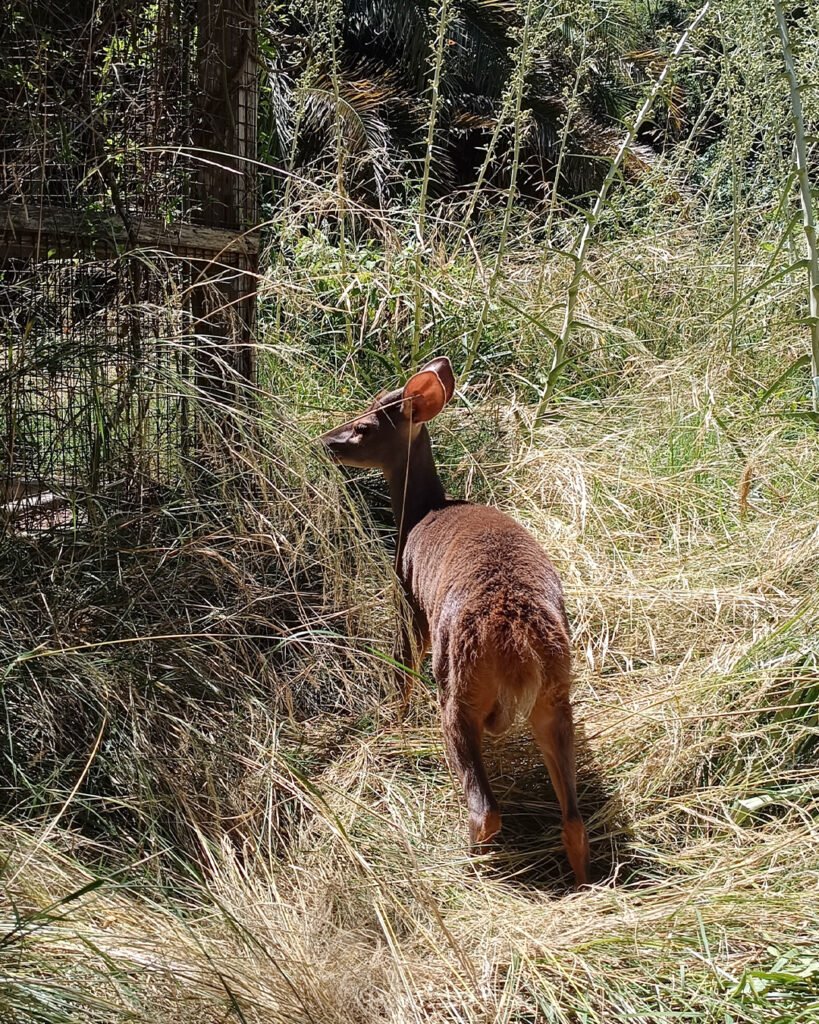
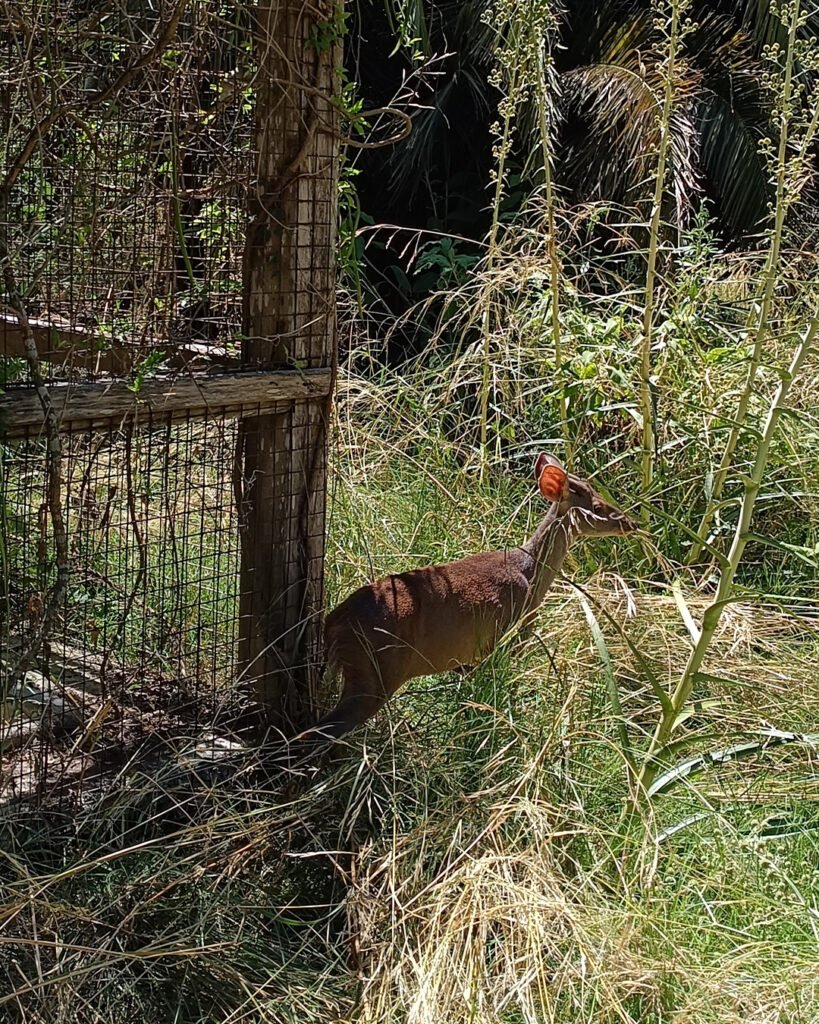
During December, El Potrero Reserve added two new specimens of gray brocket (Mazama gouazoubira) to its species repopulation project, a significant step forward in the conservation work being carried out in the area.
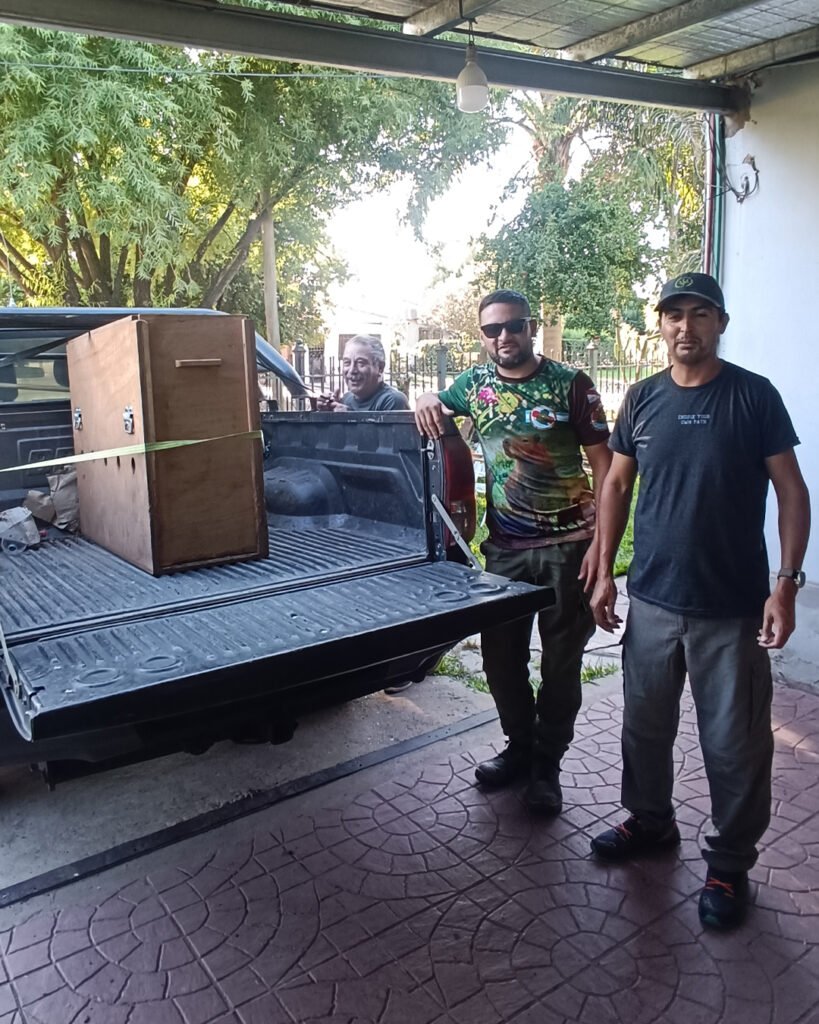
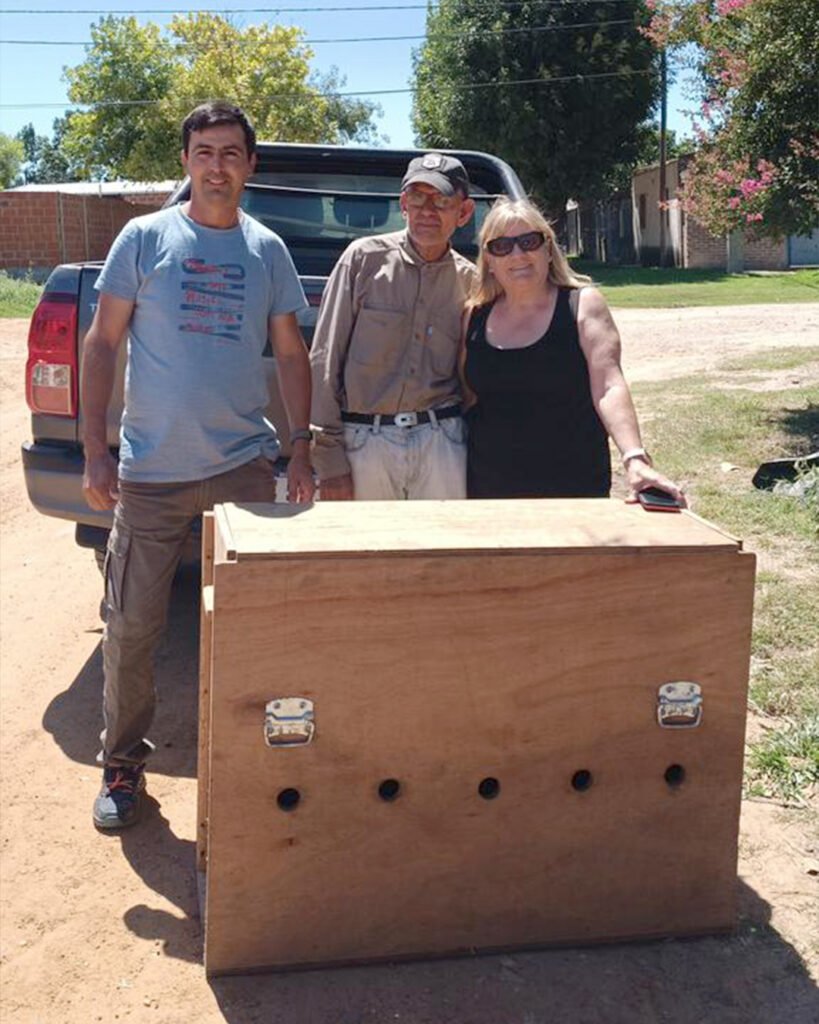
On December 19, the reserve team traveled to the town of San Benito, near the city of Paraná, after receiving a request for the voluntary surrender of a male gray brocket. The animal, known as “Chivo” by the family that cared for it, had been kept as a pet for nearly two years after its mother was killed by illegal hunters when it was just a fawn. The family decided to take a crucial step for its welfare and for the conservation of the species by handing it over so that it could begin the process of returning to the wild.
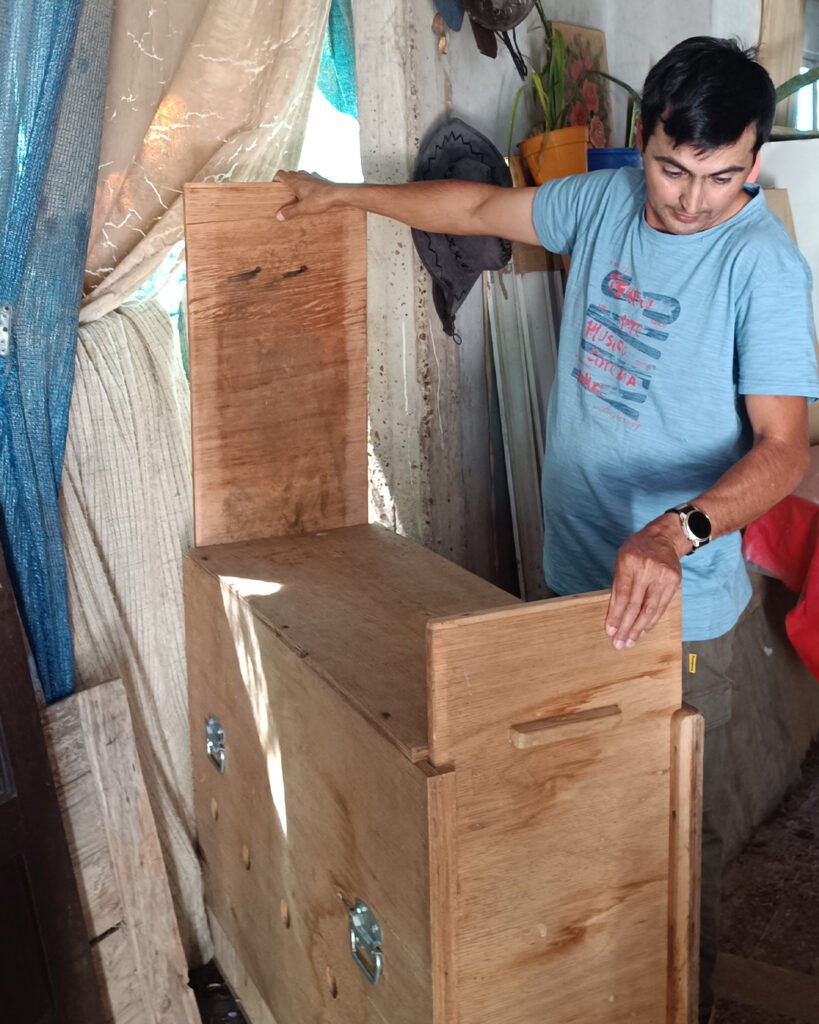
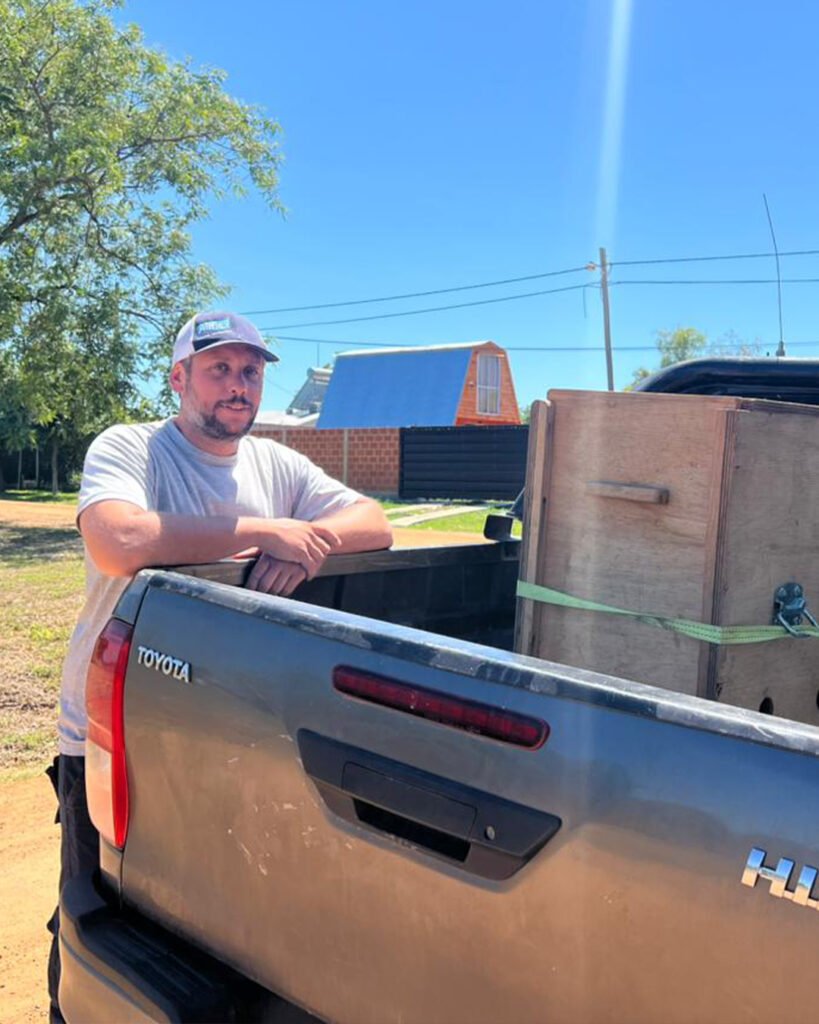
A few days later, El Potrero Reserve was contacted by staff from the La Chinita Protected Natural Area in Villaguay, following another case of voluntary surrender. This involved a young female approximately one year old, raised in domestic captivity by a local family. Due to the animal’s high degree of docility, resulting from its habituation to human contact and domestic species, the protected area staff assessed that they did not have the necessary infrastructure to guarantee its safety, and considered that the El Potrero Reserve offered the appropriate conditions to integrate it into the species’ population project. The female, named “Branqui” by her caregivers, was transferred to the reserve to continue the process.
Currently, both specimens are in quarantine facilities, where they are undergoing the necessary health and behavioral evaluations. These stages are essential to determine whether the animals meet the appropriate conditions to advance to the pre-release phase and, subsequently, to a possible reintegration into the wild, promoting their survival and coexistence with other individuals of the species.
El Potrero Reserve emphasizes the importance of voluntary surrenders and coordinated work between families, protected natural areas, and institutions as a key tool for wildlife conservation. Each case represents an opportunity to remedy situations caused by illegal hunting and domestic ownership and to continue strengthening concrete actions in favor of biodiversity.