The saffron-cowled blackbird (Xanthopsar flavus) is one of the most emblematic—and also most threatened—species of the grasslands of the Southern Cone. Endemic to this region, it is currently classified as Critically Endangered in Argentina. Habitat loss, the expansion of the agricultural frontier, parasitism by the shiny cowbird, and illegal capture for sale as cage birds are some of the main threats it faces.
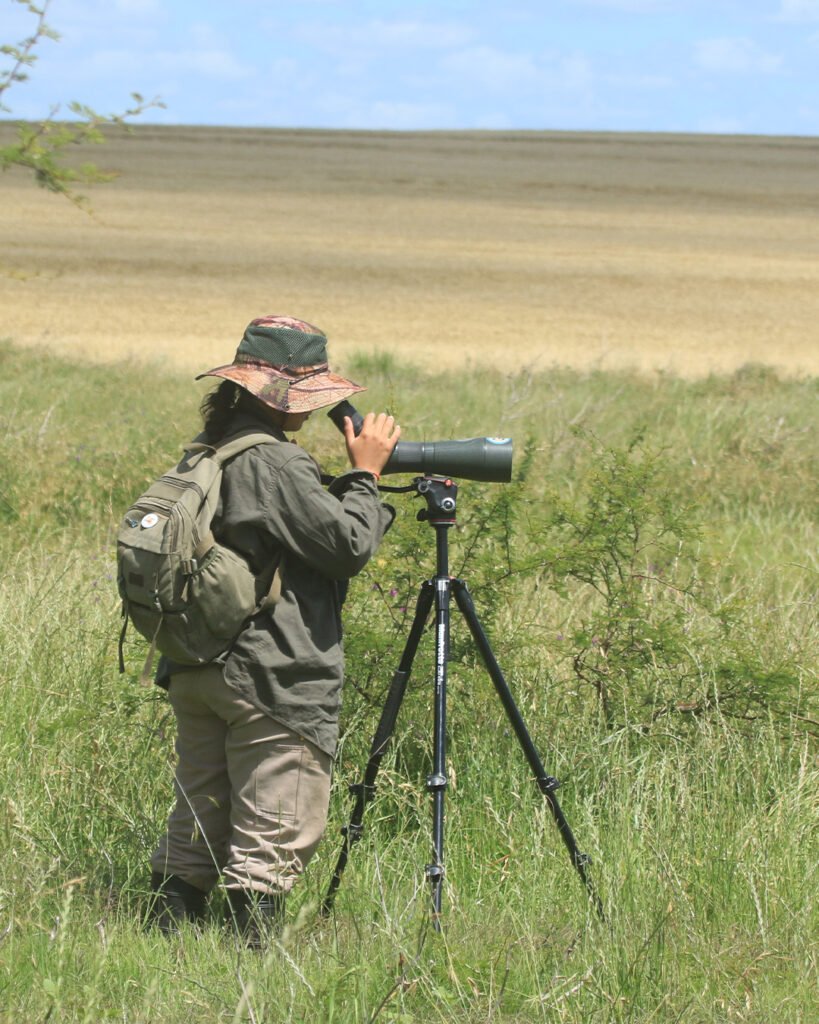
Given this scenario, the Saffron-cowled blackbird Project, coordinated by Florencia Pucheta (CECOAL – CONICET / Aves Argentinas), is working to study the biology of the species in depth, identify the factors that affect its reproduction, and generate key information for the development of a long-term conservation plan. This project includes monitoring colonies, studying movements, analyzing parasitism, conducting genetic surveys, and evaluating different management strategies to recover the remaining populations in the country.
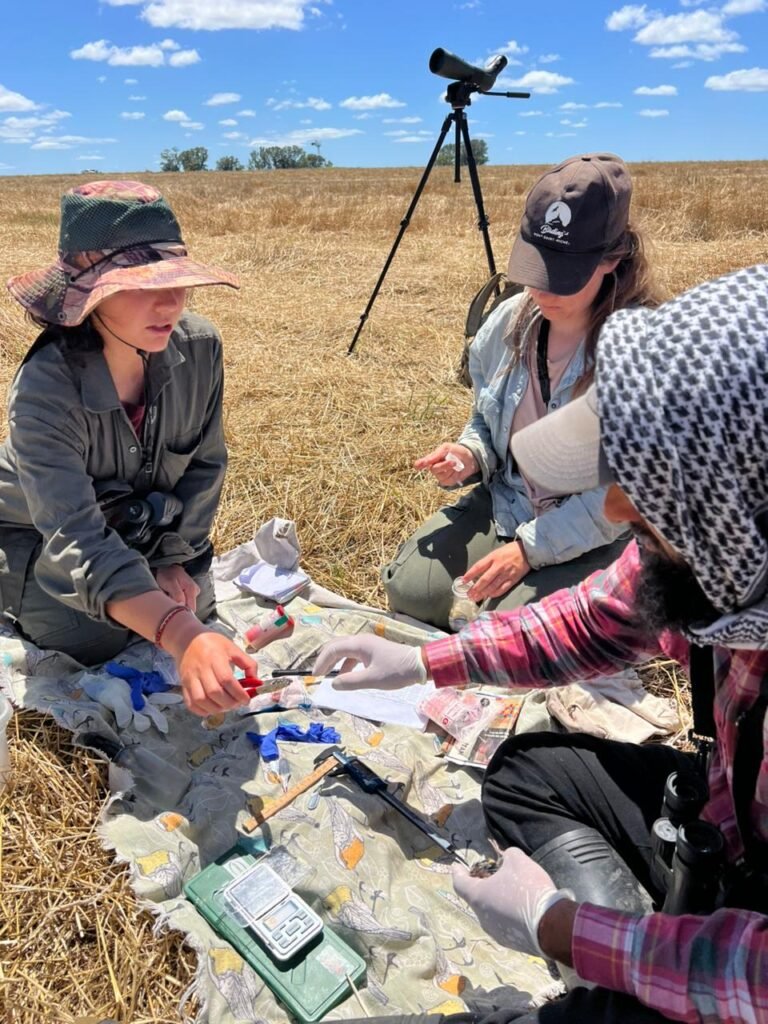
In recent days, we at El Potrero Reserve accompanied a new workday with the Guardians of Colony de Aves Argentinas, with encouraging results:
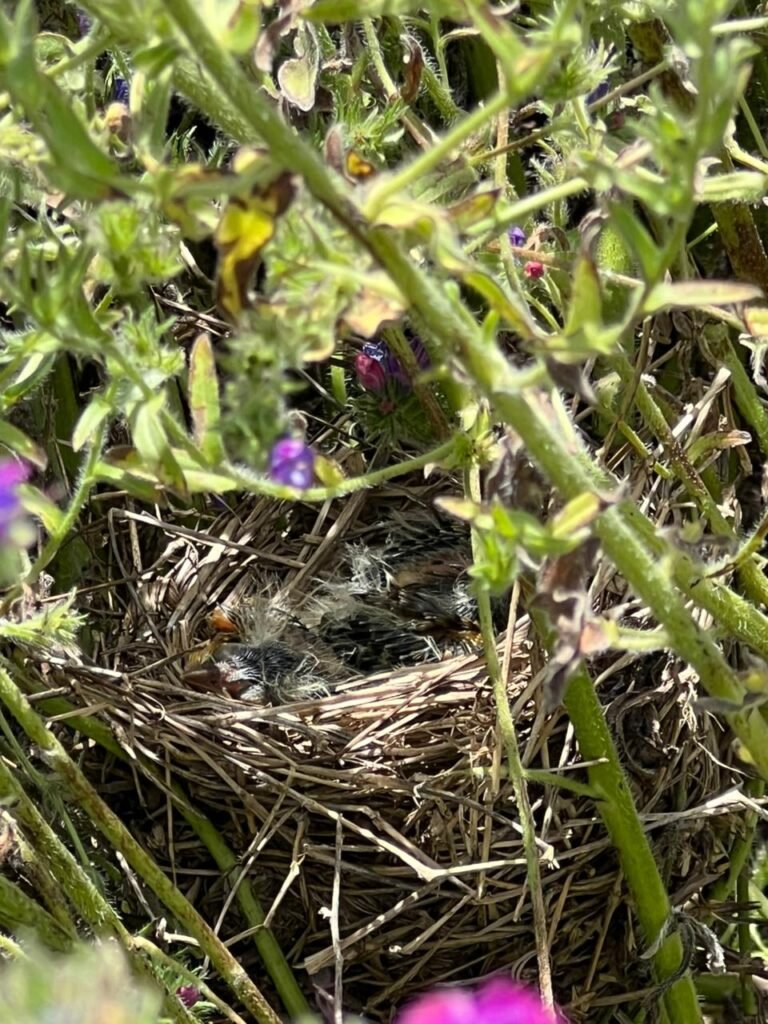
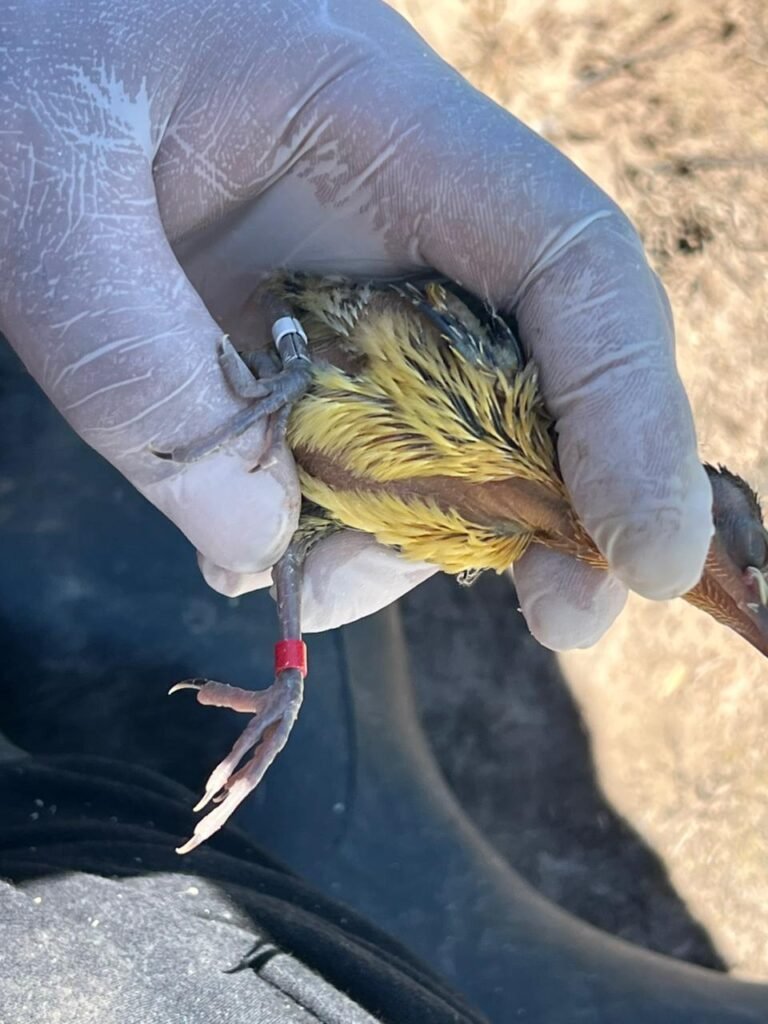
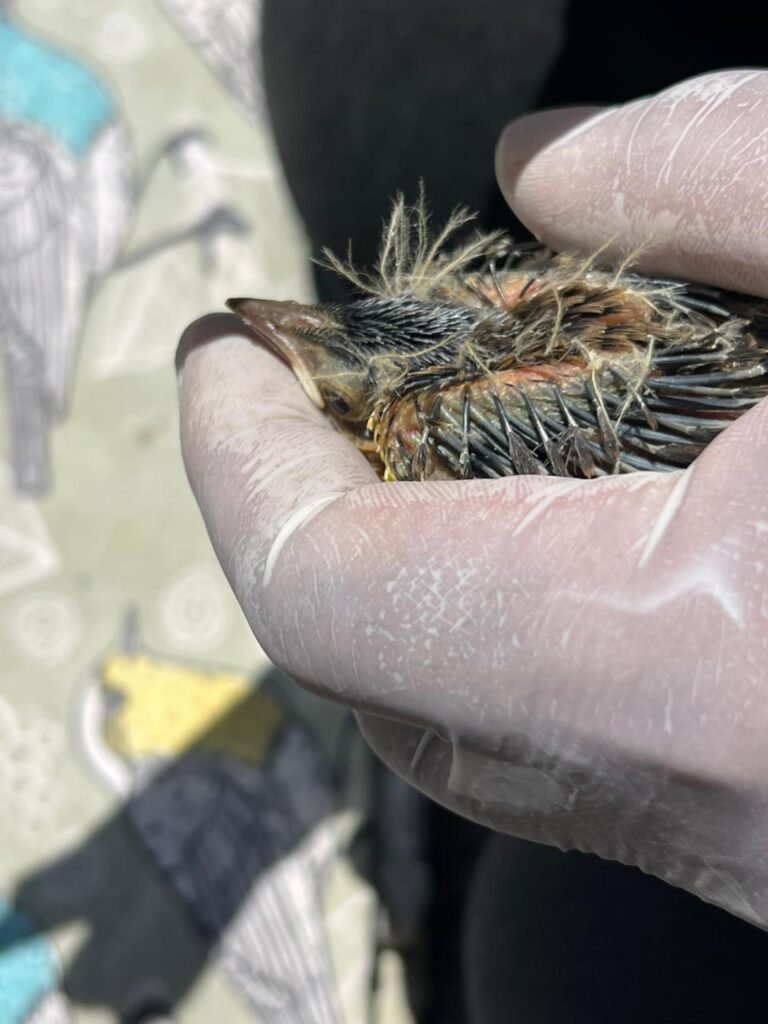
– In El Potrero, a colony with eight nests was recorded, several of them with fully developed chicks.
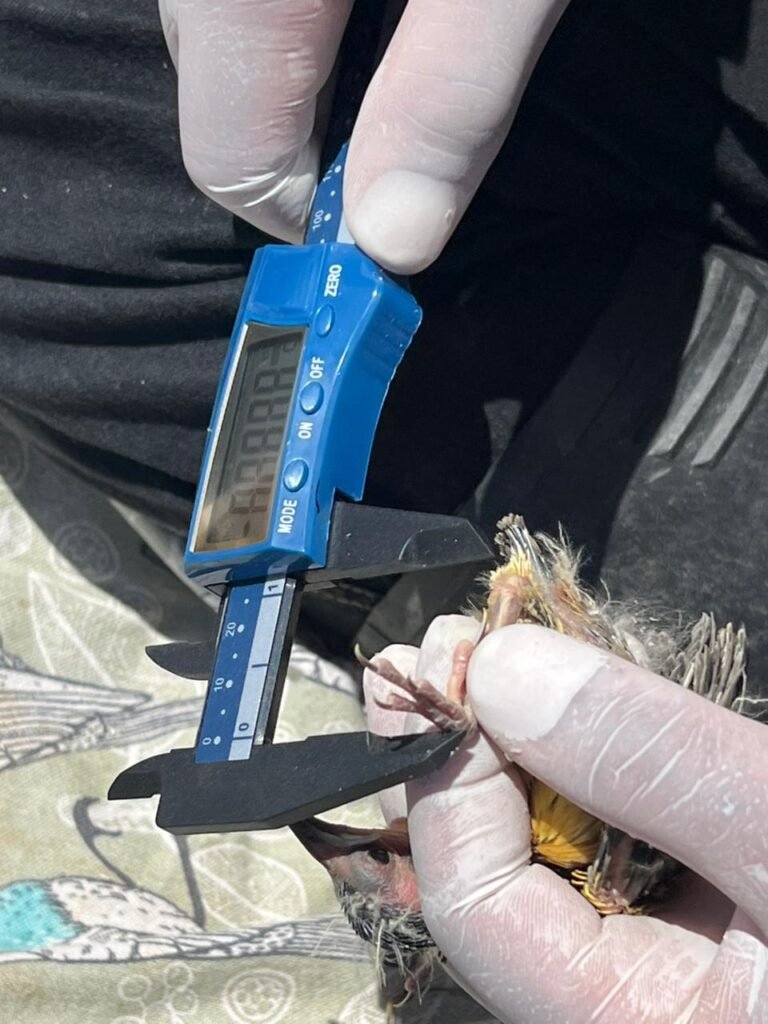
– Ringing, measurements, and blood sampling for genetic studies were carried out.
– One piece of positive news: no shiny cowbird eggs were found in the monitored colony.
– In the coming days, the guardians will place protections on the nests to reduce the risk of natural predation by foxes.
Each of these actions is part of a meticulous, patient, and essential effort for the future of this species. Conserving the saffron-cowled blackbird does not only mean protecting a bird: it means safeguarding the integrity of the grasslands and the ecological processes that sustain this landscape characteristic of the region.
At Utopía del Sur, we reaffirm our commitment to conservation and celebrate the progress made together with the saffron-cowled blackbird project team. We will continue working to ensure that the vibrant song of this species continues to inhabit our grasslands.